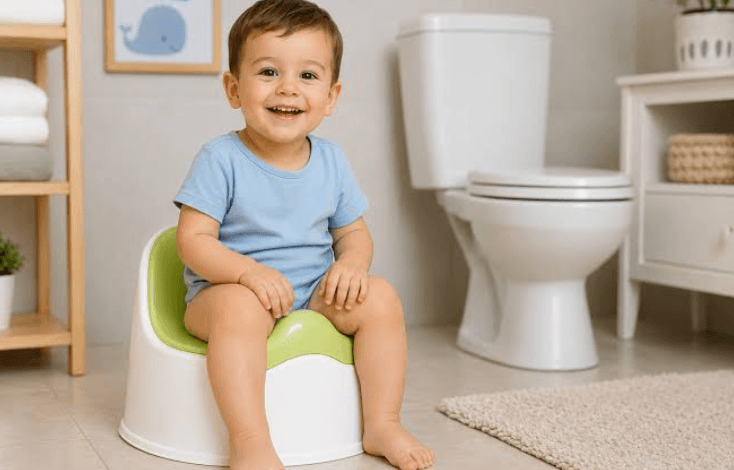
Toilet training is one of the most significant milestones in a toddler’s development, and it can feel like a daunting process for many parents. Every child moves at their own pace, and understanding the signs of readiness — along with the most supportive approaches — can make the transition far smoother for both toddlers and their caregivers throughout this stage.
Recognising when your child is ready
Rushing toilet training before a child is developmentally ready often leads to frustration, accidents, and regression. Most children show signs of readiness somewhere between 18 months and three years of age, though there is significant natural variation between individuals. Attempting to train a child before they are ready is rarely successful and can create lasting negative associations with the toilet.
Accessing trusted guidance on toddler toilet training from health professionals and experienced parenting support services helps parents feel confident they are approaching this milestone in a developmentally appropriate way. Understanding the physical and emotional cues your own child displays is the most reliable guide to knowing when the time is right to begin the toilet training process in earnest.


Physical signs of readiness include the ability to stay dry for at least two hours at a time, regular and predictable bowel movements, and the ability to pull pants up and down independently. Emotional readiness is equally important — a child should show some interest in using the toilet, express awareness of when they need to go, and be willing to follow simple two-step instructions.
If your child consistently refuses the toilet or shows significant anxiety about the process, it is worth pausing and returning to it in a few weeks. Forcing toilet training when a child is not ready can turn a normal developmental milestone into a source of ongoing stress and conflict. Patience and a relaxed approach consistently produce far better long-term results for both parent and child.
Setting up the environment for success
Before you begin toilet training, set up an environment that makes the process as straightforward and comfortable as possible. A child-sized potty placed in the bathroom — or wherever your child spends most of their time — allows them to become familiar with the equipment before any pressure to use it is introduced. Let them sit on it fully clothed initially to build comfort.
Choose a period of a few days when your family life is relatively settled and you can dedicate time and close attention to the process. Starting toilet training during a house move, the arrival of a new sibling, or another major transition adds unnecessary stress. Stability and consistency at home make a significant positive difference when a child is learning this important new skill.
Dress your child in easy-to-remove clothing during the training period. Elasticated waistbands are ideal, as children need to manage their own clothing quickly. Avoid buttons, zips, and layered clothing that takes time to undo, as toddlers often leave very little time between recognising the need to go and actually needing to be on the potty or toilet seat.
Building routines and positive habits
Routine is enormously helpful during toilet training. Offer your child the opportunity to use the toilet at regular intervals throughout the day — after waking, before and after meals, before bath time, and before bed. This reduces accidents and helps your child develop a growing awareness of when their body typically needs to go, building reliable habits progressively over time.
Praise and encouragement are far more effective than punishment when accidents occur. Respond to accidents calmly and matter-of-factly, reassuring your child that it is okay and that they will get it right next time. Children who associate toilet training with anxiety and criticism tend to take considerably longer to achieve consistent continence than those in a positive, supportive home environment.
Just as a website regularly benefits from fresh assessment — with tools that help you blog seo audit and identify what needs updating — toilet training also improves through regular observation and thoughtful adjustment. Reviewing what is working, noticing patterns in your child’s behaviour, and adapting your approach as you learn more leads to steadier and more consistent progress throughout the process.
Reward systems can be a helpful motivator for some toddlers. A simple sticker chart that marks each successful trip to the toilet provides visible, tangible encouragement without relying on food rewards. Keep recognition small and consistent — it is the acknowledgement of progress that matters most, not the scale of the reward. Celebrate effort and small improvements as much as outright success.
See also: Make Each Step Count 8663105768 and Succeed Daily
Managing nighttime toilet training
Daytime continence usually comes well before nighttime dryness, sometimes by several months or even a couple of years. Nighttime training requires a different level of physiological development, including the ability to recognise bladder signals during sleep. Do not rush your child out of nappies at night until they are consistently waking with a dry nappy each morning for at least a few weeks.
To support nighttime training when your child is ready, reduce fluid intake in the hour or two before bed and ensure they use the toilet as part of the bedtime routine. Protect the mattress with a waterproof cover during this phase. Respond to nighttime accidents calmly, change the bedding without making a fuss, and reassure your child before settling them back to sleep.
When to seek additional support
Some children take considerably longer to toilet train than others, and this is entirely normal. However, if your child is over four years of age and still experiencing frequent daytime accidents, or if toilet training has become a significant and ongoing source of distress in your household, speaking with your paediatrician or a specialist parenting support service is a worthwhile step.
Early professional guidance can make a meaningful difference for children who find toilet training particularly challenging. Working with someone who understands child development allows you to tailor your approach to your child’s specific needs and temperament, making the process more manageable for the whole family and ensuring your child feels supported rather than pressured throughout.
Toilet training is a journey rather than a single event, and every child reaches the destination in their own time and way. With patience, encouragement, and consistent support, the vast majority of children achieve reliable continence without lasting difficulty. Trusting the process and your child’s own developmental pace is the most important thing any parent can offer throughout this milestone.